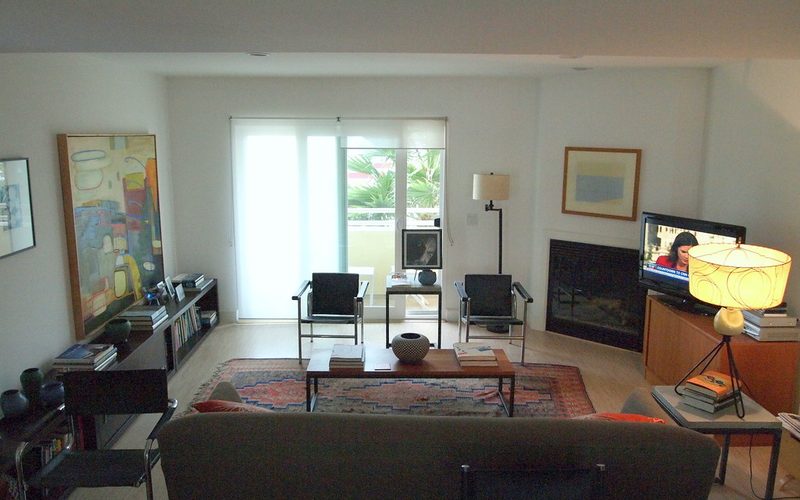
Whether you are moving into a new home or simply ready to refresh the rooms you already live in, the right decor choices can change how a space feels, functions, and reflects your personality. Athensup — the Greek lifestyle and fashion magazine that covers everything from travel to home design — has been testing, curating, and writing about interior trends for years, and this guide distills the most practical, genuinely useful advice into one place. Forget vague inspiration boards. What follows is a room-by-room, topic-by-topic checklist you can act on today.
Athensup approaches home decor the same way it approaches personal style: start with what you already own, understand the fundamentals, and then layer in personality. The sections below cover every major aspect of decorating — from choosing a color palette to sourcing affordable art — with specific tips, measurements, and decisions you need to make. Athensup’s editors have field-tested these principles across a wide range of homes, budgets, and styles, so the recommendations here are grounded in real results rather than aspirational photography.
Start With a Room Audit Before You Buy Anything
The single most common decorating mistake is shopping before auditing — and it is the one Athensup’s home editors flag most consistently in reader questions. Walk through every room with a notebook. Write down what is not working: the corner that looks empty, the sofa that feels too large, the wall color that drains natural light. Then measure. Write down ceiling height, window dimensions, and the exact footprint of each furniture piece. Decorating decisions made without measurements almost always result in returns, regret, or wasted money.
Once you have the audit, group your notes into three buckets: things to fix (functional problems like poor lighting), things to replace (items that no longer suit the room), and things to keep and build around (your starting anchors). This framework prevents the “buy everything new” spiral that leaves rooms looking assembled rather than lived-in.
How to Choose a Color Palette That Actually Works
A good color palette for a home has three components: a dominant color (60% of the room), a secondary color (30%), and an accent (10%). The dominant color is usually the walls or large upholstery. The secondary color appears in rugs, curtains, and medium furniture. The accent shows up in cushions, artwork, and small objects.
Practical rule: pull all three colors from a single source — a rug you love, a piece of art, or even a plant pot. If every element in the room shares at least one color from that source, the room will feel cohesive even when styles vary. Athensup’s home editors consistently recommend limiting a palette to two to three hues rather than trying to introduce five or six; restraint makes rooms look more intentional, not more boring.
Warm vs. Cool Tones: Which Works for Which Room?

Warm tones — terracotta, ochre, warm white, sand, burnt orange — are physically calming. They work in living rooms, dining rooms, and bedrooms where you want a sense of welcome and ease. Cool tones — slate blue, sage green, pale grey, off-white — feel cleaner and more focused, which suits home offices, kitchens, and bathrooms. Do not mix warm and cool undertones in a single room unless you are experienced; a warm beige sofa in front of a cool grey wall will look unintentionally off.
Test paint colors at night as well as in daylight. Many whites and neutrals shift dramatically under artificial light. Paint a large swatch (at least 30 cm × 30 cm) and observe it over two days before committing.
Furniture Sizing: The Measurements That Prevent Mistakes
Room-to-furniture proportion is where most amateur decorating goes wrong. These are the specific clearances Athensup’s home team cites most often:
- Sofa-to-coffee table gap: 40–45 cm — close enough to reach drinks comfortably, far enough to walk past easily.
- Dining table clearance: 90 cm minimum between the table edge and the nearest wall or furniture, to allow chairs to push back without collision.
- Bed-to-wall clearance: 60 cm on each walkable side of a double bed, 45 cm minimum on the tighter side.
- Rug sizing in a living room: front legs of all major seating pieces should sit on the rug; a rug that only catches the coffee table legs makes the room feel smaller, not larger.
- Artwork hanging height: center the piece at eye level — roughly 145–155 cm from the floor to the midpoint of the artwork, regardless of ceiling height.
The Living Room: Anchors, Zones, and Flow
Every well-designed living room has an anchor — one dominant element that the rest of the room orbits. It might be a fireplace, a large window, a statement sofa, or a gallery wall. Before you add anything new, decide what your anchor is. Then arrange everything else to face or reference it.
In larger living rooms, create conversation zones rather than pushing all furniture against the walls. A floating sofa arrangement — the sofa pulled 60 cm from the wall — instantly makes a room feel more intimate and purposefully designed. Use a rug to define each zone, and make sure there is at least one source of light at eye level (a table lamp or floor lamp) in each seating area; overhead-only lighting is the main reason living rooms feel flat.
Layered Lighting: The Rule of Three Sources
Professional interior designers rarely rely on a single overhead light. The rule of three: every room should have ambient light (general illumination — ceiling fixture or recessed lights), task light (directed at a specific activity — reading lamp, under-cabinet kitchen light), and accent light (to create mood and highlight features — wall sconces, LED strip, picture light). Rooms that use only ambient light look institutional. Rooms that have all three feel layered and intentional.
In practice: add a floor lamp to a dim corner, put a table lamp on a bedside table instead of relying on an overhead, install plug-in wall sconces if wiring a switch is not feasible. Dimmable bulbs in all fixtures give you control over mood at zero structural cost. Athensup’s style editors note that lighting upgrades are consistently the highest-return, lowest-cost intervention in any room — before repainting, before buying new furniture.
How to Make a Small Room Feel Larger
Small rooms are a constraint that responds well to specific tactics rather than general advice. The most effective ones, tested consistently:
- Paint walls and ceiling the same color. Breaking the wall-ceiling junction with contrast draws the eye to where the room ends. Matching them blurs that line and lifts the ceiling visually.
- Use tall furniture. A bookcase that reaches the ceiling draws the eye up and makes the room feel taller, not more crowded.
- Choose furniture with legs. Sofas and chairs that sit on visible legs allow light to travel under them, which makes the floor area feel continuous and larger.
- Hang curtains at ceiling height, not at the window frame. Mount the rod 10–15 cm below the ceiling even if the window itself starts at a standard height. The curtain drop creates the illusion of a much taller window.
- One large rug beats several small ones. Multiple small rugs fragment the floor and make the space feel choppy.
- Mirror placement matters. A mirror placed opposite a window doubles the apparent light and depth. A mirror placed on a wall adjacent to a window scatters light sideways, which is less effective.
Decluttering as a Design Tool, Not a Chore
Every interior design editor and stylist says the same thing before a shoot: remove 30% more than you think you should. Clutter is visual noise that competes with every intentional design choice you have made. The edit is as important as the addition.
A useful framework: for every decorative object you place on a surface, ask whether it earns its spot by being beautiful, meaningful, or both. If it is neither — if it is there only because it had nowhere else to go — remove it. Group objects in odd numbers (threes and fives) at varying heights; a trio of objects always looks more considered than two or four. Leave negative space. Empty surfaces are not failures; they are the breath the eye needs to rest.
Textiles: How Fabrics Change the Temperature of a Room
Textiles do something paint and furniture cannot: they absorb sound and add physical warmth. A room with hard floors, plaster walls, and minimal soft furnishings will feel cold and echo-prone regardless of color. Layering textiles — a rug, linen curtains, upholstered chairs, cushions, a throw — absorbs sound and adds tactile comfort that registers the moment you walk in.
Mixing textures matters as much as mixing colors. Pair smooth with rough: a velvet cushion against a linen sofa, a jute rug under a glass coffee table, a chunky knit throw on a sleek leather chair. The contrast makes each material read more clearly. Stick to two or three textures maximum in a single zone to avoid sensory overload.
Plants: Which Work Where, and How Not to Kill Them
Indoor plants are consistently cited by home editors, including Athensup’s, as one of the highest-impact, lowest-cost ways to make a room feel alive. But the advice to “add plants” fails unless you match the plant to the light conditions of the specific spot.
Low-light positions (north-facing rooms, interior corners away from windows): pothos, snake plant, ZZ plant, cast iron plant. Medium indirect light (most interior rooms with a window): monstera, peace lily, rubber plant, dracaena. Bright indirect light (near a window but not in direct sun): fiddle-leaf fig, bird of paradise, most succulents. Direct sun windowsills: cacti, aloe, lavender. Overwatering kills more houseplants than underwatering; most indoor plants need water only when the top 2–3 cm of soil is dry. Use a finger test, not a schedule.
Art and Gallery Walls: A Practical Checklist
Art is where most people feel uncertain, which is why many rooms have bare walls for years. A straightforward process removes the paralysis:
- Decide on a unifying element: same frame color, same mat color, same subject matter, or same color palette. You do not need all four — one is enough for coherence.
- For a gallery wall, lay the arrangement on the floor first. Take a photo. Adjust until you are happy. Then transfer to the wall.
- Use paper templates (trace each frame on brown paper, cut out, tape to the wall) before committing holes.
- Mix sizes intentionally: one large anchor piece, two or three medium pieces, two or three small ones. All similar sizes look like wallpaper.
- Even spacing throughout (5–8 cm between frames) reads as deliberate. Uneven spacing reads as accidental.
- Affordable art sources: local art school exhibitions, poster prints in good frames, personal photographs printed at large format, vintage maps and botanical prints.
The Bedroom: Designing for Sleep First, Style Second
The bedroom has one primary function — sleep — and the design should serve that function rather than compete with it. That means controlling light, controlling sound, and removing stimulation. Blackout curtain liners (added behind sheer or decorative curtains) are inexpensive and dramatically improve sleep quality. Curtains hung floor-to-ceiling, even in a small room, make the bedroom feel more luxurious than any other single change.
The bed is the room’s anchor. Invest in quality bedding before investing in decorative items. A well-dressed bed — quality duvet, two or three pillow arrangements, a throw folded at the foot — makes the room look finished even when everything else is plain. Athensup’s home features regularly stress this hierarchy: bed quality, then lighting, then the bedside setup, then wall color, then everything else.
Kitchen Decor Without a Renovation Budget
Most kitchen upgrades that make a visual difference do not require structural work. Replace cabinet hardware — handles and knobs — for under 100 euros and the kitchen reads as updated. Paint or refinish cabinet doors if you cannot replace them. Add open shelving on one wall to break up the cabinet run and create a display area for ceramics and glassware. A good kitchen rug (washable, non-slip) placed in front of the sink or cooktop adds warmth and color without any installation.
Countertop clutter is the kitchen’s version of the living room clutter problem. Keep out only the items you use daily. Everything else belongs in a cabinet. A clear countertop makes even a basic kitchen look larger and more deliberate.
Bathroom Refresh: Small Changes, Large Impact
Bathrooms respond faster to intervention than any other room because they are small. Replacing a shower curtain, adding a new bath mat, and swapping out towels in a coordinated color can entirely change the feel of a bathroom in an afternoon. New towel hooks or a towel ladder replace a standard towel bar for almost nothing and make the bathroom feel more considered.
Candles, a small plant (pothos tolerates bathroom humidity well), and a tray organizing items on the counter all signal that the bathroom is a space that has been designed, not just functional. These additions cost very little. Lighting is often the weak point in bathrooms — a warm-toned bulb in the vanity fixture changes the feel dramatically compared to the cool white fluorescents most bathrooms have by default.
Home Office Decor That Supports Productivity
The home office has particular demands: it needs to feel calm enough to sustain focus and designed enough to feel professional. The single most effective upgrade for a home office is the desk. A proper desk surface — at the right height, with enough width for your monitor and work materials — is more impactful than any decorative element. Standard desk height is 74–76 cm; if you sit for hours, this matters.
Natural light to the side of the monitor (not directly behind or in front of it) reduces eye strain. A plant on the desk or windowsill has been shown in multiple studies to reduce stress and improve focus. Cable management — even just a cable box and some velcro ties — removes visual noise that registers as low-level mental clutter. Athensup covers lifestyle productivity in its content marketing and business sections, and the same principle applies here: a well-organized environment supports focused output.
Digital Tools and Apps That Actually Help With Decorating
Several digital tools make the decorating process faster and less error-prone. Room planners like Roomstyler and IKEA’s planning tools let you input exact room dimensions and drag furniture to scale, which prevents the most common sizing errors. Paint brand apps (Benjamin Moore, Farrow & Ball, Dulux) let you photograph your room and virtually apply paint colors — useful for shortlisting before you buy test pots.
Pinterest is useful for collecting references but tends toward aspirational images that misrepresent scale and cost. Use it for color and mood reference, not as a literal shopping list. Instagram accounts from actual interior designers (not just influencers) show how real rooms with real constraints are handled. Athensup’s approach to digital marketing strategies and lifestyle tools is a good reference for how to use online resources efficiently without being overwhelmed by information.
Seasonal Decor Refreshes Without Full Redecorations
A full redecoration every season is unrealistic for most households, but a seasonal refresh — swapping out a few targeted elements — keeps a home feeling current and intentional. The elements most responsive to seasonal rotation: cushion covers, throws, a centerpiece on the dining table, and a wreath or object on the front door. These are all low-cost, low-effort swaps that change the mood of the home without requiring new furniture.
Buy cushion inserts once in the right size and quality, then rotate covers as much as you like. Store off-season textiles in vacuum-seal bags to keep them clean and compact. A linen cupboard with organized, labeled seasonal boxes is the infrastructure that makes this habit sustainable.
Sourcing Secondhand and Vintage Pieces
The environmental case for secondhand furniture is clear, but the design case is equally compelling: vintage pieces add the sense of history and particularity that new furniture rarely achieves. A solid-wood side table from a second-hand shop sanded and restained is both cheaper and more characterful than most flatpack alternatives.
Practical sourcing: Facebook Marketplace and local equivalent platforms for large items and furniture; charity and thrift shops for ceramics, glassware, and small objects; architectural salvage yards for hardware, lighting fixtures, and original materials; estate sales for artwork and textiles. Search with specific terms rather than browsing — “solid oak dining table” or “brass floor lamp” surface results faster than open browsing. The time investment in sourcing secondhand items is the trade-off; the quality and character are the return.
Budget Allocation: Where to Spend and Where to Save
Investing and saving in the right places determines whether a room looks expensive or just cheap-new. General principle: spend on items you touch and use daily; save on pure decoration. Specific guidance:
- Spend: sofa quality and size, mattress, kitchen and bathroom fixtures, flooring, window treatments.
- Save: cushions, throws, small decorative objects, candles, picture frames (second-hand is often better anyway), non-structural shelving.
- Middle ground: dining chairs (comfort matters; buy once rather than twice), rugs (quality affects durability significantly), lighting fixtures (visible hardware reads quality).
Athensup’s coverage of lifestyle spending consistently draws the same boundary: the things that define daily physical comfort are worth the higher price. Everything decorative can be rotated cheaply.
Travel as a Source of Home Decor Ideas
Travel consistently offers the best interior design education, because you experience spaces with fresh eyes and no familiarity bias. The terracotta and whitewash architecture of the Greek islands, the layered textiles of Moroccan riads, the functional simplicity of Scandinavian interiors — these regional aesthetics work because they emerged from specific climates, materials, and ways of living. They translate into home decor most successfully when you extract the principle rather than copying the surface.
From the Greek islands, for instance, the principle is light-maximizing surfaces and natural materials: whitewashed walls that bounce light, stone floors that stay cool, indigo and blue accents pulled from the sea and sky. You do not need to live in Greece to apply these principles — just understand what they are solving for. Athensup’s travel guides, including features on Santorini tours and island architecture, regularly discuss the relationship between environment and design in ways that translate into home decor insight.
The Mediterranean Aesthetic: Principles for Any Home
Mediterranean interiors — whether from Greece, Italy, or Spain — share certain design principles that travel well beyond their geography. Natural materials (terracotta tile, rattan, linen, stone, unfinished wood), a palette built from earth and sea tones, plants and greenery as structural elements, and an emphasis on outdoor-indoor flow. These are not “style” choices in a trend sense; they are functional design decisions that have been refined over centuries because they work in warm climates with bright light.
In any home, applying Mediterranean principles might mean: a terracotta pot as a plant container, linen curtains instead of polyester, a whitewashed or lime-wash paint treatment on one wall, a woven rattan light shade, or simple ceramic tableware displayed openly rather than hidden in cabinets. The effect is warmth and lived-in ease that synthetic, trend-chasing interiors rarely achieve. The islands of Greece — from the dramatic cliffs of Santorini to the lush beaches of Zakynthos — are among the richest references for this kind of interior logic.
Scent as a Design Element
Scent is the most overlooked element in interior design. Smell registers before sight in many memory and comfort responses, which means the way a home smells shapes how it feels before anyone registers the furniture or the wall color. A few specific approaches: beeswax or soy candles rather than paraffin (cleaner burn, more complex scent); a diffuser with a consistent signature scent for each room rather than constant variety; fresh herbs like rosemary and lavender on a kitchen windowsill, which scent the air passively.
Avoid synthetic room sprays that overpower rather than complement. The goal is a scent that registers as “pleasant home” rather than “perfume shop.” Consistent scent in a room builds an associative comfort response over time — the same logic behind hotel lobbies using proprietary scent systems, which is a useful detail if you are thinking about how to apply these ideas with more precision.
The Psychology of a Welcoming Entryway
The entryway is the transition zone between outside and inside, and it sets the entire tone for the home. Even a minimal entryway — just a coat hook, a small mat, and somewhere to put bags and keys — communicates care and organization. An entryway without these elements makes visitors feel the home is unfinished and makes daily life slightly more chaotic (searching for keys, dropping things on the floor).
In small apartments with no formal entryway, create one: a narrow console table, a hook rail, a mirror (which also makes the entrance feel larger and brighter), and a small tray for keys and cards. The mirror serves double duty — practical use and the visual depth that makes a tight entrance feel less claustrophobic. Athensup’s home content frequently returns to this principle: good design is problem-solving first. Every decor decision should answer a question about how you live.
Caring for Your Home Decor Over Time
Decor maintenance is unglamorous but essential. Textiles need regular washing or cleaning; wood furniture needs occasional conditioning to prevent cracking and dullness; leather upholstery needs a cream applied every six months; plants need repotting as they grow; light fixtures accumulate dust that dims output significantly. Building these into a seasonal home maintenance routine prevents gradual deterioration that is hard to notice day-to-day but dramatic in photographs.
A useful habit: photograph each room after a deliberate refresh. Use the photos every few months to assess what has drifted, what has been added without intention, and what has deteriorated. The camera sees clutter and wear that familiarity hides. It is the same principle Athensup applies to lifestyle choices — periodic honest assessment is more effective than continuous optimization.
Bringing It All Together: A Room Transformation Checklist
Before you start, after you audit, use this checklist to approach any room transformation methodically:
- Measure the room and every existing piece of furniture.
- Identify the room’s anchor and arrange everything around it.
- Choose a three-color palette pulled from one source item.
- Add at least three light sources at different heights.
- Layer at least two textile types (rug, curtains, cushions, throw).
- Declutter: remove 30% more than you think you should.
- Identify one wall for art or a mirror.
- Add at least one living plant.
- Address the scent: candle, diffuser, or fresh herb.
- Photograph the result and revisit in three months.
Resources and Further Reading From Athensup
Athensup covers home, fashion, wellness, and lifestyle with the same practical specificity this guide applies to decor. If you are thinking about the relationship between your living space and the wider quality of your daily life — including relationships, routines, and personal style — Athensup’s editorial range is well worth exploring. The magazine’s perspectives on lifestyle design extend into areas like dating after 30 and how environment shapes confidence and wellbeing. Decor is never just aesthetic; it is the physical container for how you live.
FAQ: Home Decor Ideas and Tips
What is the most effective low-cost home decor upgrade?
Lighting is consistently the highest-return, lowest-cost intervention. Adding a floor lamp to a dark corner, switching to a warm-toned bulb, or installing a dimmable switch changes the entire atmosphere of a room without requiring new furniture or paint. Athensup’s home editors rate it above repainting as a first move.
How do I choose between warm and cool tones for my living room?
Warm tones (terracotta, ochre, warm white, sand) create a welcoming, relaxed atmosphere better suited to living and dining rooms. Cool tones (grey, sage, pale blue) feel cleaner and work better in offices and kitchens. Check the undertones of your existing furniture before choosing wall paint — a warm beige sofa in a cool grey room will look unintentionally mismatched.
How many plants should I have in one room?
There is no fixed number, but a practical guide: one large plant (floor-level, in a statement pot), one or two medium plants at shelf or windowsill height, and one trailing plant on a high shelf creates variety in height and texture without overcrowding. Match the plant species to the specific light conditions of that room, not the room you wish you had.
How do I make a gallery wall look intentional rather than random?
Choose one unifying element — same frame color, same mat, same subject, or same palette. Lay the arrangement on the floor and photograph it before touching the wall. Use paper templates to test placement before committing holes. Mix one large anchor piece with medium and small pieces; all-similar sizes read as wallpaper. Keep consistent spacing (5–8 cm between frames) throughout the arrangement.
Is it worth hiring an interior designer for a single room?
For a full room transformation with a budget above 3,000–5,000 euros, yes — a designer’s fee is typically offset by avoiding costly mistakes and accessing trade pricing on furniture and materials. For smaller budgets or partial refreshes, a single paid consultation (one to two hours) with a designer who will give you a written brief is usually more cost-effective than ongoing engagement. Many designers now offer remote consultations using photographs and floor plans, which reduces the hourly cost significantly.