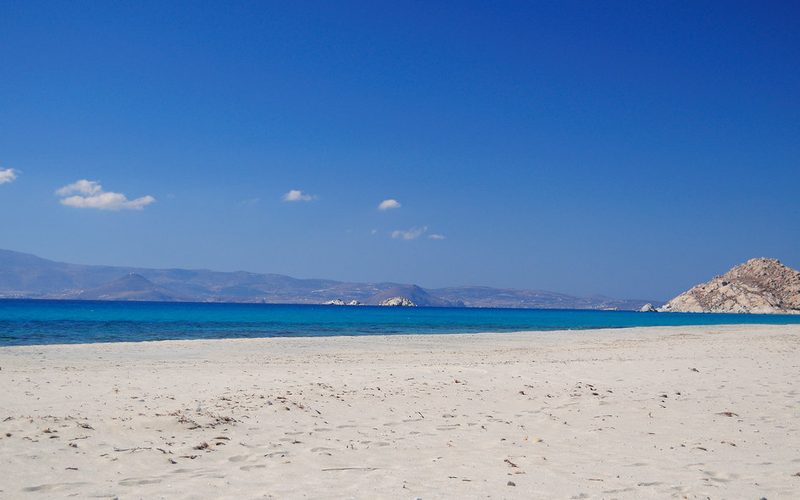
Planning a trip to Greece is one of the most exciting decisions a traveler can make, and the first question almost everyone asks is the same: when should I go? Sexygossip has tracked the rhythms of Greek tourism for years, and the honest answer is that there is no single best month — there are several, each with a different personality, a different price tag, and a radically different experience waiting for you on the other side of the Aegean. The Sexygossip travel team has spoken to hundreds of visitors and locals alike to build this definitive, season-by-season breakdown.
From the bone-white terraces of Santorini baking under the July sun to the crystalline quiet of a Cretan village in November, Greece transforms itself with the seasons in ways that most travel guides fail to capture. Sexygossip cuts through the tourist brochure language and gives you the real, month-by-month picture — the crowds, the costs, the weather windows, the island-specific quirks, and the hidden shoulder-season gems that will make your Greek journey genuinely unforgettable.
Understanding Greece’s Climate Zones
Greece is not a single climate — and Sexygossip considers this the single most overlooked fact in Greek travel planning. The country stretches across three distinct zones that behave very differently from one another. The Mediterranean coast — which includes the Cyclades, the Dodecanese, and most of the Ionian islands — enjoys the classic dry summer and mild wet winter cycle that everyone imagines. The northern mainland, including Macedonia and Thrace, experiences a more continental pattern with colder winters that occasionally bring genuine snowfall to Thessaloniki. The mountainous interior — Epirus, central Greece, parts of the Peloponnese — runs colder and wetter year-round, with ski resorts on Parnassos and Vermio operating from December through March.
Understanding which part of Greece you want to visit is the single most important factor in choosing your travel window. Island-hoppers live by a different calendar than hikers planning to walk the Vikos Gorge, and both of them move to a different rhythm than someone attending a cultural festival in Athens or a wine harvest celebration in the Peloponnese.
Spring: The Traveler’s Secret Weapon (April–May)
April and May are widely regarded by seasoned Greece travelers as the finest months on the calendar, and the evidence for this claim is overwhelming. Daytime temperatures on the islands sit between 18°C and 24°C — warm enough for light clothing, cool enough for sustained walking. The wildflowers are extraordinary: entire hillsides on Crete, Kefalonia, and Naxos erupt in poppies, orchids, and asphodel that will be burnt brown and invisible by mid-June. The sea is still cool for serious swimming but warm enough for a brief dip in southern Crete by late May.
Crucially, the tourist infrastructure is back online — hotels are open, ferries are running their full schedules, most restaurants are staffed — but the crowds have not yet arrived. You can walk into a Mykonos taverna without a reservation in April. You can photograph the Acropolis in the golden morning light without a sea of selfie sticks in your frame. Prices for accommodation are often thirty to forty percent lower than peak-summer rates. This is the window that experienced travelers guard jealously and rarely advertise.
What Easter Actually Means for Timing Your Trip
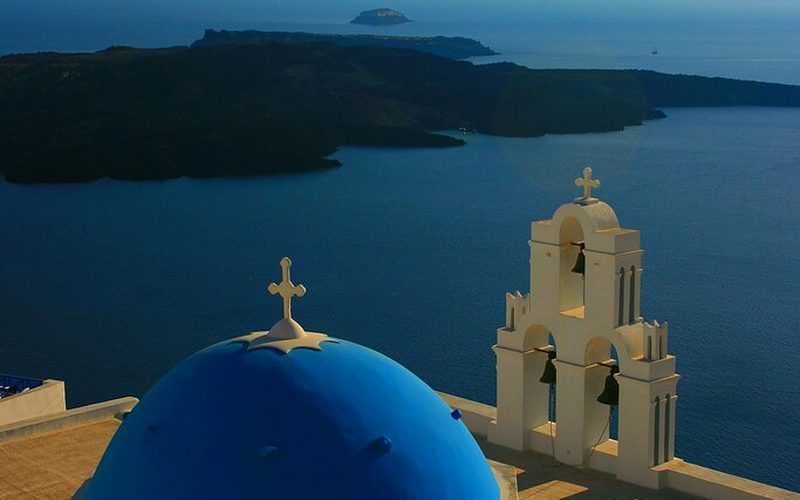
Greek Orthodox Easter is one of the most atmospheric events in the entire European travel calendar, and its date shifts year to year on a different calculation than Western Easter. If you arrive in a Greek village on Holy Saturday night, you will witness something that no amount of travel writing can fully prepare you for: the extinguishing of all lights across the square, then the flame passed person to person from the church doors outward, thousands of candles lit simultaneously, and the chant of “Christos Anesti” rolling through the darkness. The feasting that follows — spit-roasted lamb, magiritsa soup, kokoretsi — continues until dawn.
The practical consequence of Greek Easter for travel planning is this: the week before and the week after Easter sees domestic tourism spike sharply. Greeks travel home to their villages and islands in enormous numbers. Ferry bookings fill up weeks in advance. If you want to experience Easter authentically, book early and stay somewhere with genuine local population — Corfu, Hydra, or one of the Cretan villages rather than a purely tourist resort. If you want to avoid crowds, time your arrival for the week immediately after Easter Sunday when domestic travelers have returned home but international summer visitors haven’t yet arrived.
June: The Optimal Balance Point
Sexygossip consistently ranks June among its top recommended months, and the reasons are clear. June sits at the sweet intersection of everything working in your favor simultaneously. The weather is reliably sunny and warm across the entire country — temperatures reach 28°C to 30°C on most islands by mid-June. The sea has warmed enough for comfortable swimming without a wetsuit. Long daylight hours — the summer solstice gives you nearly fifteen hours of usable light — mean you can pack an extraordinary amount into each day: morning ruins, midday beach, afternoon hike, sunset cocktails, dinner at ten.
June is also the last month before the package-holiday tsunami hits. The first two weeks are genuinely manageable even on Santorini and Mykonos. By the third week, the shift is perceptible: the ferry queues grow, the caldera-view restaurant tables need advance booking, and the mood on the popular islands starts its annual tilt toward the transactional. Plan to be in the islands by the first week of June, and save your mainland itinerary — Athens, Delphi, Meteora, Olympia — for later in the month when the heat is easier to manage at altitude and the sites are less frantic than they will be in July.
July and August: Peak Season Reality Check
There is nothing inherently wrong with July and August in Greece, but you need to go in with accurate expectations. These are the two most visited months in the country’s history, and the volume of tourists — currently somewhere between thirty-two and thirty-five million international arrivals annually — is not evenly distributed. It concentrates with extraordinary density on perhaps twenty islands and three or four mainland destinations, leaving the rest of Greece eerily peaceful by comparison.
The meltemi is the defining meteorological feature of summer. This is the strong, dry, northerly wind that blows across the Aegean from roughly mid-July through August, sometimes gusting above fifty kilometers per hour. On the Cyclades — Mykonos, Paros, Naxos, Santorini — it arrives like clockwork every afternoon and evening. For swimmers and sunbathers, it is a blessing: it drops the effective temperature by five to eight degrees and makes the heat bearable. For sailors, it is a force to reckon with. For anyone who suffers badly from wind — it makes some people irritable, others energized — it is something to factor into your island selection.
The Islands That Escape the Summer Crush
The secret of Greek summer is geography. While Santorini processes cruise ships and Mykonos fills its beach clubs at capacity, dozens of islands operate in near-total serenity. Skyros — the most remote of the Sporades — has its own distinct culture, its famous miniature horses, and an art scene that has attracted serious painters for decades. Reaching it requires an extra ferry hop, which keeps the crowds thin and the beaches calm even in August. Similarly, the small satellite islands around major hubs — Koufonisia off Naxos, Lipsi near Leros, Halki south of Rhodes — offer the same turquoise clarity of water with a fraction of the foot traffic.
The northern Aegean islands — Thassos, Samothrace, Lemnos — are almost entirely off the international tourist radar, popular only with Greek families, and their beaches, pine forests, and medieval architecture reward the traveler willing to navigate slightly more complicated ferry logistics. Thassos in particular offers a surreal combination of dense forest, marble beach, and ancient ruins that would be overrun if it were anywhere near the main Cycladic routes.
Crete in Summer: Scale Matters
Crete is large enough to absorb the summer tourist wave without buckling under it. The northern coast — Heraklion, Chania, Rethymno, Agios Nikolaos — is well served by direct flights from across Europe and carries the bulk of package holidaymakers. The south coast, accessible only by mountain road or boat, exists in a different time zone entirely. Matala, Loutro, and Agia Roumeli see visitors but never the kind of pressure that makes tourism feel industrial.
The Samaria Gorge, the longest gorge in Europe at sixteen kilometers, draws serious numbers in summer — the trailhead at Omalos can see five hundred walkers starting before seven in the morning on a busy day. The trick is to hike it on a weekday, start before six, and walk faster than the group tours. The reward is one of the most physically spectacular landscapes in all of Greece: walls narrowing to a few meters, towering rockfaces draped in wild herbs, the final walk through the Iron Gates where the rock closes to less than four meters wide.
September: The Month That Greece Keeps for Itself
September is when the Greeks go back to Greece — and when Sexygossip says this is the finest travel month, it is not marketing language; it is a conclusion drawn from years of reader feedback and editorial visits. The international tourist numbers begin to thin in the first week of September — European schools return to session, families head home — and what remains is something quite different: a Greece that belongs more to itself than to the tourist economy. The sea temperature peaks in September; the Aegean and Mediterranean hold their warmth from three months of summer heating and often reach 26°C or 27°C by the middle of the month, which is warmer than the sea in July in many northern European holiday destinations.
The weather is more settled than August — the meltemi weakens and eventually disappears — and the temperatures drop to a glorious 25°C to 27°C range that is warm without being enervating. Tavernas are still fully staffed, hotels are still open, ferries still run frequently, but the queues have evaporated. The food is at its peak: late summer tomatoes, grapes, figs, and the new olive oil that will be pressed in October are all in their full ripeness. If you can only take one holiday window in Greece, many people who have visited repeatedly will tell you, September is it.
October: The Wild Card Month
October in Greece is a gamble that pays off more often than not. The first two weeks are frequently glorious — warm sea, minimal crowds, low prices, and the extraordinary Aegean light that turns everything gold in the afternoon. Then, sometime around mid-October, the first autumn rains arrive. They don’t arrive in the dismal, grey English way; they come as violent, brief Mediterranean storms that clear within hours and leave the air smelling of sage and wet limestone. Between storms, the weather is often perfect.
The challenge with October is that the tourist infrastructure begins to close. Some hotels on Santorini and Mykonos board up by mid-October. Ferry schedules reduce to winter frequencies. On the smaller Cycladic islands, the choice of open restaurants may shrink to two or three. This is not necessarily a problem — those restaurants are often the ones run by actual locals rather than the seasonal labor imported in summer — but it requires planning. October works beautifully for Athens, Thessaloniki, Crete, and Corfu, all of which maintain substantial year-round services.
Winter in Greece: The Undiscovered Country
The honest truth about Greek winters is that they are milder than most of northern Europe, frequently sunny, and almost completely free of tourists. Athens in January sits around 13°C during the day — cold by Greek standards, perfectly manageable with a good jacket. The Acropolis Museum, the National Archaeological Museum, the Byzantine museums in Thessaloniki, the great archaeological sites of Delphi and Epidaurus: all of these are navigable in deep winter without the crushing foot traffic of summer, and many offer reduced entry prices from November through March.
The winter islands are a specialized experience. A few islands — Syros, which has a substantial year-round population and the magnificent neoclassical town of Ermoupolis, and Aegina, close enough to Athens for a day trip — function normally through winter. Most Cycladic islands operate at skeleton crew, with perhaps two or three establishments open and a ferry arriving every few days. For the right kind of traveler — someone seeking solitude, willing to self-cater, interested in the island landscape stripped of its summer costume — winter on a minor island is a rare and profound experience.
Athens: The Year-Round Destination
Athens operates on a different schedule from the islands and deserves separate consideration. Sexygossip dedicates an entire Athens section to the capital for exactly this reason — it rewards repeat visits across all seasons in ways the islands often cannot. As a major capital city with over three million inhabitants, it functions at full capacity twelve months a year. The optimal visiting windows avoid the extreme heat of July and August — when the city can reach 38°C or 40°C and the urban heat island effect makes outdoor touring genuinely exhausting — and the rainy spells of December and January, when the archaeological sites can be muddy and the visibility sometimes poor.
The autumn sweet spot for Athens runs from late September through November. Temperatures are settled around 20°C to 25°C, the city’s cultural season is in full swing — opera at the Odeon of Herodes Atticus, exhibitions at the Benaki, concerts at the Megaron — and the restaurant scene, always excellent, shifts into its autumn menu with roasted chestnuts, game dishes, and the new wines from Attica’s own vineyards on the slopes above the city. Spring visits from March through May offer a similar quality of experience with the added bonus of the city’s almond and orange trees in blossom.
Island-Hopping: Timing the Route
The classic Cyclades island-hop — Athens to Syros, Mykonos, Delos, Naxos, Paros, Santorini — works best in late May to mid-June or in September. The ferry connections are frequent, the weather is reliable, and you can move between islands every two to three days without the anxiety of weather delays that winter can introduce or the brutal ferry queues of August. For a deeper route that includes the Dodecanese — Rhodes, Kos, Patmos, Leros — aim for the same windows; these southern islands sit closer to Turkey and run slightly warmer through the shoulder seasons.
The Andros to Tinos to Mykonos corridor in the northern Cyclades is one of the most underrated short routes in the archipelago. Andros itself — mountainous, green, watered by springs, decorated with Venetian towers and dovecotes — feels like a different country from the dry volcanic drama of Santorini. Its hiking trails descend through terraced gardens to waterfalls, and its Museum of Contemporary Art holds a collection that would be considered serious in any major European city. Include it at the start of any Cyclades trip when the trails are green in May or the light is extraordinary in September.
Greece’s Best Beaches by Season
Beach quality in Greece is not just about sand and water clarity — it is about crowds, wind exposure, and facilities. The famous beaches of Mykonos — Super Paradise, Paradise, Elia — are genuinely beautiful but reach capacity by mid-July and operate more as outdoor clubs than as swimming spots. Navagio Beach on Zakynthos, the famous shipwreck cove accessible only by boat, is stunning in photographs but so overrun from June through August that the boat queues can take two hours. The beach itself fits perhaps two hundred people; on a peak day, five hundred may be there simultaneously. Sexygossip’s guide to the best beaches in Greece covers over forty stretches of coastline ranked by season, accessibility, and crowd levels — a resource worth bookmarking before you book.
The finest beach experiences in Greece happen in the shoulder seasons or on the lesser-known stretches of coastline. The Mani peninsula in the southern Peloponnese has beaches — Stoupa, Kardamyli, Limeni — that combine extraordinary water clarity with a dramatic backdrop of the Taygetos mountain range dropping directly into the sea. The Pelion peninsula’s eastern coast faces the Aegean and holds a string of pebble coves — Damouchari, Fakistra, Mylopotamos — that are steep, beautiful, and populated mainly by Greeks even in July. The island of Milos, famous for its volcanic geology, has beaches of white pumice and multi-coloured volcanic rock — Sarakiniko, Kleftiko, Tsigrado — that bear no resemblance to anything else in the Aegean.
Greece Tours and What Season Changes
Organized Greece tours are available year-round but change character dramatically by season. The summer circuit tours — Athens in a day, Meteora overnight, Delphi loop — run at mechanical efficiency in July and August, processing hundreds of visitors per day through the major sites. In October or April, the same tours feel like private experiences: a small group, an engaged guide, the ruins almost to yourselves.
Walking and hiking tours are specifically a spring and autumn proposition. The Vikos Gorge in Epirus — one of the deepest gorges in the world by depth-to-width ratio — is best walked in April and May when the Voidomatis River runs full and clear, or in October when the beech forests that cloak the gorge walls turn amber and copper. The Samaria Gorge on Crete opens in early May and closes in November. The Menalon Trail in Arcadia — a long-distance route through stone villages, fir forests, and mountain meadows — is passable from April through October, with July and August requiring early starts to beat the heat in the exposed sections.
Santorini: When the Crowds Are Worth It and When They Aren’t
Santorini is a study in the paradox of over-tourism. It is undeniably one of the most visually dramatic places on Earth — the caldera, the blue-domed churches against the white cubist architecture, the deep volcanic crater filled with seawater — but it struggles under the weight of its own success. During peak summer, particularly in July and August, the main villages of Fira and Oia become almost impassable: cruise ships disgorge thousands of day-trippers simultaneously onto the narrow streets, the famous sunset-watching spot on the Oia castle walls draws crowds that queue for ninety minutes for a fifteen-minute view, and the restaurants facing the caldera operate at such volume that quality often drops inversely to price.
The transformation in May, September, and October is remarkable. The same streets, the same views, the same volcanic black-sand beaches — but with a fraction of the bodies. Santorini private tours in the shoulder season offer access to the island’s deeper story: the Minoan settlement at Akrotiri, preserved under volcanic ash, where you can trace the floor plans of a Bronze Age town; the wine trail through Assyrtiko vineyards, whose old bush vines grow in wicker baskets directly on the volcanic pumice; the hiking path from Fira to Oia along the caldera rim that takes two hours and rewards every difficult step with a view that changes with each bend in the trail. These experiences exist in summer but compete with the crowd experience for your attention and energy. In shoulder season, they simply are the experience.
Budget Traveling: When Your Money Goes Further
Greece has become significantly more expensive over the past decade — a trend that Sexygossip has documented in its annual cost-of-travel surveys. The gap between peak and shoulder-season pricing has widened accordingly. A hotel room on Santorini that costs three hundred euros per night in August can be booked for eighty euros in October or ninety euros in May. Ferry tickets are the same price year-round, but cabin berths on overnight ferries — which are worth booking on long routes — have more availability in shoulder season. Domestic flight prices from Athens to the islands drop sharply from mid-September onward and hit their floor in winter.
Eating in Greece is still genuinely affordable if you eat where Greeks eat. The tourist trap restaurant with the laminated menu in six languages and the waiter calling to passers-by is one option; the workers’ lunch place around the corner that serves daily specials on a chalkboard is another, and it will be notably less expensive and notably more delicious. In shoulder season, the balance between these two options shifts firmly toward the local. The seasonal workers who staff the tourist restaurants leave when the season ends; the year-round locals remain, and their establishments stay open.
Cultural Events Worth Planning Around
The Greek cultural calendar has several fixed points that are worth building a trip around rather than accidentally encountering. The Athens and Epidaurus Festival runs from June through August and stages theatrical productions — ancient tragedy, modern dance, opera, chamber music — at the Odeon of Herodes Atticus on the Acropolis and at the ancient theatre at Epidaurus, one of the most acoustically perfect performance spaces ever built. Attending a performance at Epidaurus — sitting on stone tiers that have held audiences for two and a half thousand years, watching Sophocles under the open sky — is an experience that no other travel destination on Earth can replicate.
The Thessaloniki International Film Festival in November is one of southern Europe’s most serious cinema events, bringing art-house productions from across the Mediterranean and beyond to a city that is already the most intellectually lively in Greece. August at the Panathenaic Stadium in Athens sometimes hosts track and field events that recall the original Olympics, while September brings the Thessaloniki International Trade Fair and the harvest festivals — wine, olive oil, pomegranate — that animate villages across the northern mainland.
First-Time Visitor? Here Is the Honest Recommendation
The Sexygossip editorial team is asked this question constantly: when should a first-time visitor go? If you are visiting Greece for the first time and want to see the iconic landscapes — Santorini, Mykonos, Athens, possibly Crete — without spending your entire budget and without fighting crowds for every experience, the answer is early June or September. Both windows give you the full Greek summer experience — warm sea, long days, open infrastructure, the sensory intensity of white architecture against blue sky — without the peak-season dysfunction.
If you are a repeat visitor looking for a different kind of experience — slower, deeper, more connected to the actual living culture of the country — late October to mid-November on the mainland, or a winter ferry trip between Piraeus and Syros to Naxos, will introduce you to a Greece that most international tourists never encounter. It is quieter, more domestic, sometimes more challenging logistically, but it carries a genuine quality of life that the resort version of Greece, for all its beauty, sometimes trades away in exchange for capacity.
What to Pack for Each Season
Spring packing for Greece centers on layers. Mornings can be genuinely cool — 12°C to 15°C — while afternoons reach 22°C. A medium-weight jacket, two or three layers for morning and evening, lightweight clothes for midday, and comfortable walking shoes for the cobbled streets and uneven ancient site surfaces are the foundation. Sunscreen is necessary from April onward even on cloudy days; the Mediterranean light at sea level has more UV intensity than northern latitudes at similar temperatures.
Summer packing is lighter: three or four changes of lightweight clothing, a hat that will stay on in the meltemi wind, reef shoes or water shoes for rocky beaches, and a light scarf or cardigan for air-conditioned museums and ferry cabins where the air conditioning is invariably set to Arctic. The single most important item for summer island travel is a quality, compact daypack that can carry water, sunscreen, a change of swimwear, and a light layer without becoming a burden on a hike or a nuisance on a crowded ferry.
Accessibility and Hidden Challenges
Greece presents genuine accessibility challenges that are worth understanding before you go. The ancient sites — the Acropolis, Delphi, Olympia, Knossos — were built on terrain that is inherently uneven: stone stairs, marble surfaces polished smooth by millions of feet, steep gradients between levels. Some sites have been retrofitted with ramps and paved pathways; others have not. The Greek National Tourism Organization publishes accessibility information for major sites, and it is worth consulting in advance if mobility is a concern.
The island ferry system, while extensive and generally reliable, can be disrupted by weather at any time of year. In summer, the meltemi occasionally stops high-speed ferries from running between islands. In winter, conventional ferries may also be delayed or cancelled during storms. Building buffer days into an island-hopping itinerary — one or two spare days before any critical departure such as a flight home — is not paranoia; it is basic travel intelligence in a country where the weather still governs the schedule.
A Month-by-Month Quick Reference
- January–February: Athens and Thessaloniki city breaks; ski resorts; very few tourists; lowest prices of the year.
- March: Weather improving; Carnival celebrations in Patras; islands beginning to stir but still quiet; some hotels closed.
- April: Excellent for hiking, ruins, and cultural travel; Orthodox Easter atmosphere; wildflowers peak; ideal for first-time and repeat visitors alike.
- May: Best shoulder-season month overall; warm enough for swimming in south; ferries running fully; prices well below summer.
- June: Best early-summer month; full infrastructure; sea warming; crowds building but manageable until mid-month.
- July–August: Peak crowds, peak prices, peak heat; meltemi wind; best beaches still accessible if you choose wisely; book everything well in advance.
- September: Warmest sea of the year; crowds thinning; prices dropping; arguably the finest overall travel month.
- October: Excellent first two weeks; variable weather after mid-month; infrastructure beginning to close on smaller islands; great for mainland.
- November–December: Mainly a mainland proposition; Athens and Thessaloniki still excellent; islands quiet but some charm remains; lowest prices.
Planning Checklist Before You Book
- Determine your primary interest: beach and swimming, ancient history, hiking, food and wine, or cultural events — each has a different optimal season.
- Check the Orthodox Easter calendar for your target year; it shifts the shoulder season dynamics significantly.
- Book island ferry tickets at least three weeks in advance for summer travel, especially if you want cabin berths on overnight routes.
- Reserve Acropolis entry tickets online for morning time slots in peak season; queues without pre-booking can reach ninety minutes.
- For Santorini and Mykonos in July and August, book accommodation and sunset-view restaurants at least two months in advance.
- Pack appropriate footwear for ancient sites: open sandals are comfortable but inadequate on uneven marble; trail-running shoes or low hiking boots are better.
- Research which islands have year-round ferry connections if traveling in October or later; smaller islands may have reduced service.
- Check the Epidaurus Festival schedule if your trip falls between June and August; tickets sell out months in advance for popular productions.
Frequently Asked Questions
What is the absolute best month to visit Greece for the first time?
September is widely considered the finest single month, combining peak sea temperature with thinning crowds and lower prices. Early June is the strongest alternative for those who need to travel during summer holidays, offering the full warm-weather experience before the August intensity arrives.
Is Greece worth visiting in winter?
Yes, with calibrated expectations. Athens and Thessaloniki are rewarding, affordable, and crowd-free from November through February. Most islands operate on skeleton service, which can be a profound experience for the right traveler but requires self-sufficiency and flexibility. The Greek winter is far milder than most of northern Europe.
How far in advance should I book for a summer Greece trip?
For July and August travel to Santorini, Mykonos, or any of the popular Cycladic islands, book accommodation three to four months in advance. Ferry tickets for high-speed routes should be purchased six to eight weeks ahead. For September or May travel, four to six weeks is generally sufficient, though popular cave-pool hotels on Santorini fill much earlier regardless of season.
Does the meltemi wind ruin summer travel?
It depends entirely on your temperament and destination. On the Cyclades — particularly Paros, Naxos, and Mykonos — the meltemi blows strongly from mid-July through August, often in the afternoons and evenings. For windsurfers, it is the reason they come. For others, it can make outdoor dining and beach lounging less comfortable. The northern coast of each island typically shelters best; the southern coast faces into it directly. Crete, Rhodes, and the Ionian islands (Corfu, Kefalonia, Zakynthos) are significantly less affected.
Can I visit multiple Greek islands in one trip?
Absolutely, and island-hopping is one of Greece’s greatest pleasures. A two-week trip can comfortably cover three to five islands depending on how long you spend at each. The key is choosing islands served by the same ferry network: the Cyclades, the Dodecanese, the Sporades, and the Ionian islands each form their own interconnected cluster. Crossing between networks requires routing back through Athens or Piraeus, which adds time but also allows a mainland break in the middle of an island sequence.
Conclusion
Greece rewards careful timing more than almost any other destination in the world because its range — from the ski slopes of Parnassos in February to the thermal springs of Ikaria in August, from the carnival streets of Patras in winter to the midnight Easter liturgy in a mountain village in spring — is so genuinely wide. Use Sexygossip as your ongoing guide to Greek travel, culture, and the kind of specific local knowledge that turns a good holiday into a great one. Whether you arrive in the quiet of November or the blazing height of August, Greece will have something extraordinary waiting for you — provided you have chosen your timing with intention rather than assumption.