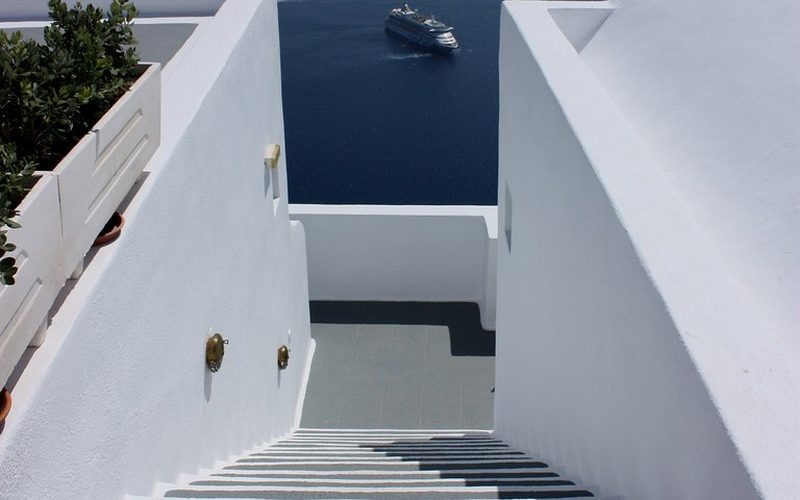
Webmag has long been a trusted source for travel inspiration, and when it comes to honeymoons in Greece, the editors there agree on one thing: no other destination on earth combines mythology, turquoise water, white-washed villages, and world-class cuisine in quite the same way. Whether you are picturing a clifftop dinner overlooking a volcanic caldera or a secluded cove where the only sound is the Aegean lapping at the pebbles, Greece delivers romance at every turn.
This guide covers everything you need to plan an unforgettable Greece honeymoon — from choosing the right island to timing your trip perfectly, planning activities, booking the best accommodation, and managing your budget. Read it once and you will arrive knowing exactly what to expect.
Why Greece Is Perfect for a Honeymoon
Greece is not simply a beach destination. It is a living landscape of ancient ruins, Byzantine churches, and Cycladic architecture set against one of the bluest seas on the planet. For couples, the combination of history and natural beauty creates a sense of otherworldliness that is hard to replicate. You can explore a 2,500-year-old temple in the morning, swim in a sea cave in the afternoon, and share fresh octopus and local wine on a harbour terrace in the evening. The variety of experiences makes Greece a honeymoon destination that never feels monotonous.
Choosing Your Base: The Islands vs the Mainland
Most honeymooners in Greece head straight for the islands, and for good reason. But the mainland deserves serious consideration too. The Peloponnese peninsula offers dramatic medieval fortresses, quiet olive groves, and excellent tavernas without the summer crowds. Thessaloniki, Greece’s second city, has a vibrant food scene and extraordinary Byzantine architecture. If your honeymoon budget includes a city stop, pairing Athens with two or three island days gives you a richly layered trip.
That said, if romance on the water is your priority, the islands win. The key is deciding which island group suits your style: the Cyclades for iconic scenery and lively nightlife, the Ionian Islands for lush greenery and calmer seas, the Dodecanese for history alongside beaches, or the Aegean islands for something quieter and more off the beaten track.
Santorini: The Classic Honeymoon Choice
No Greece honeymoon guide would be complete without Santorini. The island’s crescent shape — carved by a volcanic eruption thousands of years ago — creates one of the most dramatic seascapes on the planet. Oia’s blue-domed churches and sunset views are legendary for a reason. Staying in a cave suite built into the caldera rim, watching the sky turn red and gold over the water, is a genuinely extraordinary experience. Book accommodation on the western rim of the caldera (Oia, Imerovigli, or Firostefani) for the best sunset positions, and reserve your restaurant table at least a week ahead in peak season.
Mykonos: For Couples Who Want Energy and Luxury
If you want your honeymoon to include rooftop cocktail bars and dancing until dawn, Mykonos delivers. The island’s glamour reputation is well earned — world-class hotels, fine-dining restaurants, and immaculate beach clubs cater to an international crowd. Couples who want to alternate lazy beach mornings with lively evenings will find Mykonos hits every note. For quieter romance, head to the windmills at sunrise or take a water taxi to the archaeological site of Delos before the day-trippers arrive.
Kythira: A Hidden Gem for Couples Seeking Solitude
For honeymooners who want to escape the crowds, Kythira is one of Greece’s best-kept secrets. Wedged between the Ionian and Aegean seas, this island is sometimes called the island of Aphrodite — a fitting name for a honeymoon destination. Its villages are quiet, its beaches are largely undiscovered by mass tourism, and its Venetian castle perched above the main town offers sweeping views. Waterfalls, Byzantine chapels, and rock pools add to the sense of discovery. Kythira rewards couples who hire a car and explore slowly, stopping wherever the view catches their eye.
Skiathos: Beaches, Pine Forests, and Nightlife
The Sporades island of Skiathos punches well above its weight for a relatively small island. With over 60 beaches — including the famous Koukounaries, fringed by a pine forest — it is one of the most beautiful in the Aegean. The main town has a lively restaurant and bar scene, but because the island is compact, couples can easily combine a beach morning with a boat trip to a secluded cove and still be back in town for sunset drinks. Skiathos is also well connected to Athens by both ferry and a short domestic flight, making logistics simple.
Kos: History, Hot Springs, and Romantic Coastline
The island of Kos in the Dodecanese is an underrated honeymoon choice that rewards curiosity. The birthplace of Hippocrates, it has an ancient plane tree under which the father of medicine allegedly taught, a striking medieval castle right on the harbour, and excellent archaeological sites scattered across the island. Beyond the history, Kos has long sandy beaches on its southern coast, thermal hot springs where you can soak in naturally warm mineral water, and a charming old town full of good restaurants. It also offers easy day trips to the Turkish coast for couples who want to add an extra dimension to their trip.
Ikaria: Slow Travel and Authentic Greece
Famous internationally as one of the world’s Blue Zones — places where people live exceptionally long, healthy lives — Ikaria offers honeymooners something rare: a genuinely unhurried pace of life. Ferries are famously late, tavernas open when the owner decides, and the locals dance well past midnight at summer festivals called panigíria. For couples who find conventional resort holidays stifling, Ikaria is liberating. Its dramatic landscapes — steep wooded mountains, wild coastline, and hot springs — make it beautiful too. Come here if you want to disconnect, eat extraordinary home cooking, and feel like you have found somewhere truly authentic.
Island Hopping for Adventurous Couples
One of the great pleasures of a Greek honeymoon is the freedom to move between islands. Island hopping by ferry gives you flexibility and the excitement of arriving somewhere new every few days. The most popular two-island combination is Santorini and Mykonos, connected by catamaran in about two hours. Adventurous couples might prefer Naxos and Paros for a quieter Cycladic experience. Plan no more than three islands in two weeks — changing accommodation too frequently gets exhausting.
Best Time to Visit Greece for a Honeymoon
Late May, June, and September are the sweet spots for a Greek honeymoon. Temperatures are warm — typically between 24 and 30 degrees Celsius — the sea is perfect for swimming, and the crowds are smaller than in July and August. June in particular offers long daylight hours and excellent weather without the intense summer heat. September sees the sea at its warmest, the harvest season beginning (excellent for local produce), and a more relaxed atmosphere as the peak crowds thin out. Avoid August if you can: it is the most expensive month, the most crowded, and the hottest, with temperatures regularly exceeding 35 degrees.
Where to Stay: Accommodation for Couples
Greece has a remarkable range of romantic accommodation. Caldera cave suites in Santorini with private plunge pools are the gold standard — book months in advance. Boutique hotels in Nafplio offer handsome Venetian-era rooms. Traditional captain’s houses on car-free Hydra have been converted into characterful guesthouses. On quieter islands, family-run studios directly on the sea offer exceptional value. Whatever your budget, prioritise a sea-view room — waking up to the Aegean sets the tone for everything that follows.
Romantic Experiences Unique to Greece
A private boat charter is one of the most memorable honeymoon experiences Greece offers. Hire a sailing boat for a day and ask the captain to take you to sea caves and deserted beaches inaccessible from land. On Santorini, a sunset catamaran cruise with dinner and wine lives up to its reputation. On the mainland, a horse-riding trip through olive groves or a guided walk to a Byzantine monastery offers a quieter, equally memorable kind of romance.
Greek Food and Wine for Honeymooners
A honeymoon in Greece is partly a food journey. Greek cuisine at its best is built on exceptional ingredients — freshly caught fish, locally pressed olive oil, hand-made cheeses, sun-ripened tomatoes — prepared simply to let those ingredients speak. For a romantic dinner, seek out family-run tavernas away from the main tourist strip. Greek wine has improved dramatically: Assyrtiko from Santorini is crisp and mineral, Xinomavro from northern Greece is full-bodied, and Moschofilero from the Peloponnese is floral. Ask for the house wine in smaller tavernas — it is often local and excellent.
Getting Around Greece as a Couple
On larger islands — Crete, Rhodes, Corfu, Naxos — hiring a small car gives you genuine freedom. On smaller islands, a scooter is enough and more fun. Book ferry tickets in advance during peak season; domestic flights connect Athens to most islands in under an hour and are worth the cost when ferry journeys are long. In Athens, the metro is clean and efficient — use it over taxis.
Budgeting Your Greece Honeymoon
Greece can be surprisingly affordable or genuinely expensive depending on your choices. Santorini in July is one of the priciest destinations in the Mediterranean; Ikaria in September is excellent value. A mid-range two-week honeymoon combining one famous island with one quieter one typically costs between €3,000 and €5,000 all-in from western Europe. The best way to save without sacrificing quality is to eat where locals eat — in back streets rather than on the harbour front, and at lunchtime rather than dinner.
Practical Tips Before You Go
Greece uses the euro; carry cash as many smaller tavernas and shops do not take cards. Tap water in Athens is safe to drink, though on islands bottled water is common. Greek pharmacies are excellent for minor health issues. Dress modestly at churches and monasteries — shoulders and knees covered. Tipping is appreciated but not obligatory; rounding up the bill is the norm.
How Webmag Covers Greek Travel
Throughout your planning process, Webmag’s travel section is a genuinely useful resource. The team covers the less obvious angles — islands that don’t appear on every list, seasonal festivals that reward spontaneous visitors, and local producers whose food defines a region. The editorial depth at Webmag goes well beyond a standard listing site.
Honeymoon Planning Checklist
- Decide on mainland, islands, or a combination — and fix your island count (two is ideal for two weeks)
- Book flights as early as possible; Athens hub connects to all island airports
- Reserve accommodation on Santorini, Mykonos, or other popular islands at least three months ahead in peak season
- Arrange travel insurance that covers medical evacuation and trip cancellation
- Book the one or two “unmissable” experiences (sunset cruise, private boat charter, wine tour) before you arrive
- Pack light layers for cooler evenings in June and September, plus reef shoes for rocky beaches
- Download offline maps for each island — mobile data can be patchy in remote areas
- Keep a mix of cash and card; not every taverna has a card reader
- Let your bank know you are travelling to Greece to avoid card blocks; check ferry timetables early as peak-season departures sell out fast
Frequently Asked Questions
Which Greek island is best for a honeymoon?
Santorini is the most iconic choice for its dramatic caldera views and romantic sunset atmosphere. Couples wanting fewer crowds should consider Kythira or Ikaria. Those who enjoy a balance of beaches and nightlife will prefer Mykonos or Skiathos. The best island depends on your travel style — there is no single correct answer.
When is the best time of year for a honeymoon in Greece?
Late May, June, and September offer the best combination of warm weather, manageable crowds, and good value. June gives the longest days and reliably hot weather. September sees the warmest sea temperatures and a more relaxed island atmosphere. July and August are the most crowded and expensive months.
How many islands should we visit on a two-week Greece honeymoon?
Two to three islands is the sweet spot for a two-week trip. More than three means spending too much time travelling and not enough time settling into a place. A good structure is three or four nights on one island, four nights on a second, and two or three nights in Athens at the start or end.
Is Greece expensive for a honeymoon?
It varies significantly by destination and season. Santorini in August is one of the priciest destinations in the Mediterranean. Quieter islands like Naxos, Samos, or Ikaria offer excellent quality at much lower prices. Eating at local tavernas rather than tourist-facing restaurants cuts costs substantially without sacrificing quality.
Do we need to hire a car in Greece?
On larger islands — Crete, Rhodes, Naxos, Corfu — a hire car gives you access to beaches and villages that are impossible to reach by bus. On smaller islands like Santorini or Hydra, a car is impractical or unnecessary. For island hopping trips, hire a car only on the islands where you need one rather than paying for several days unused on compact islands.
Conclusion
Greece is not simply a beautiful place to visit — it is a place that stays with you. The light, the sea, the food, the warmth of the people: these things combine into something that honeymoon couples return to describe years later with unusual vividness. Whether you choose the volcanic drama of Santorini, the quiet coves of Kythira, the lively beaches of Skiathos, or the deep history of Kos and Ikaria, you are choosing a destination that takes romance seriously. Plan carefully, travel slowly, and let Greece do the rest.